The Journal · Field Notes
Choosing the right hardscape contractor is one of the most important steps in creating your outdoor living space. You’re not just paying for a patio or a fire pit. You’re trusting someone with your home, your yard, and your vision for how you want to spend time outside.
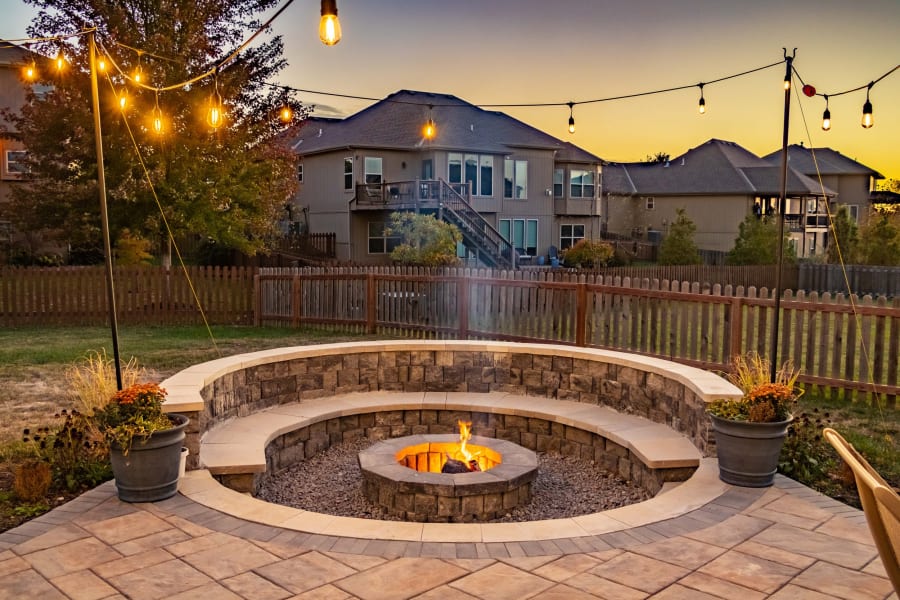
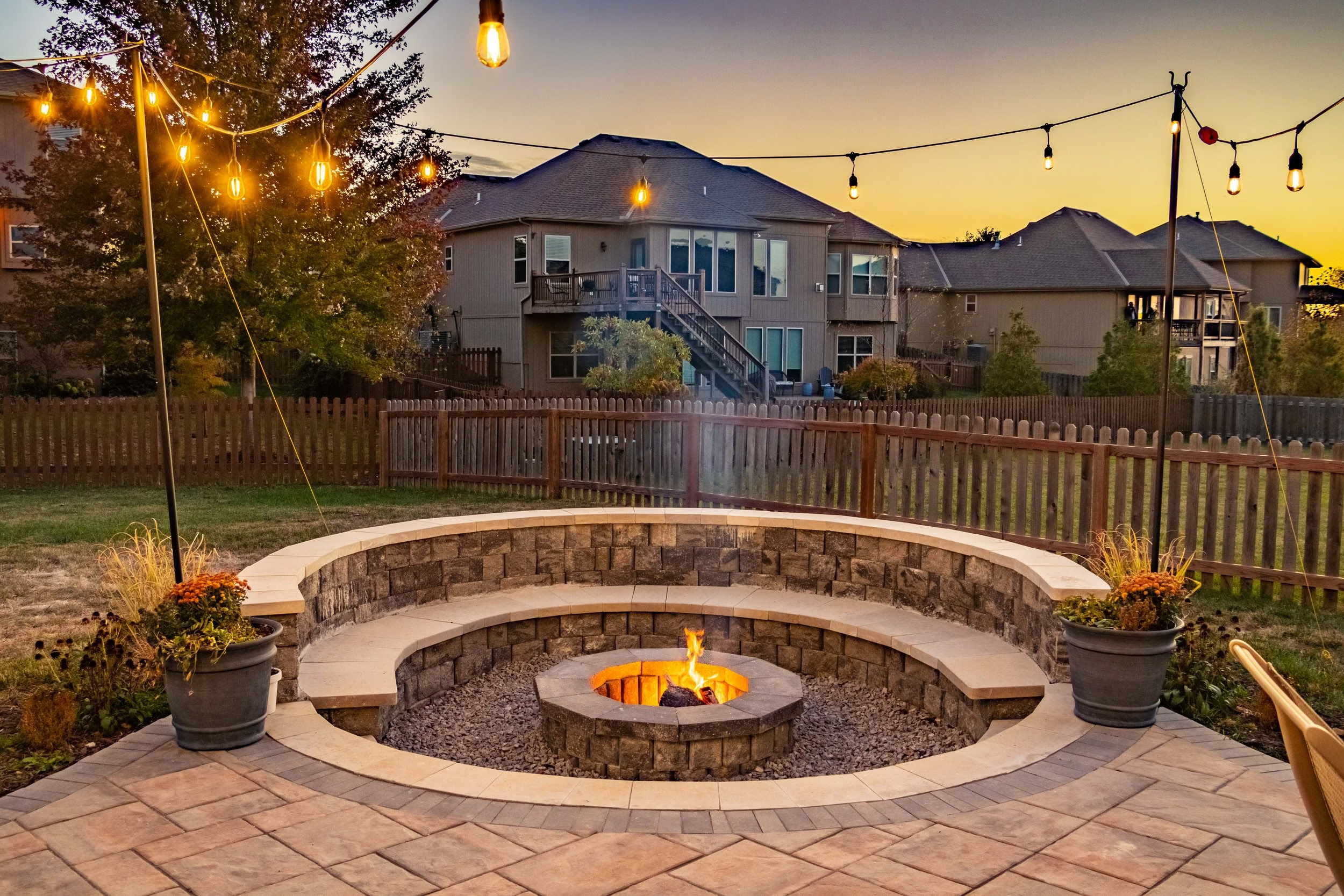
There are a lot of companies out there who say they can build patios, but not all of them build them the right way. Asking the right questions before you hire a contractor can help you find someone who communicates well, does quality work, and truly cares about the finished product.
1. What Does Your Installation Process Look Like?
A good contractor should be able to walk you through exactly how your project will be built from start to finish. That includes how deep they excavate, how they prepare the base, what type of material they use under the pavers, and how they handle drainage.
The foundation is what keeps your patio or walkway looking great for years to come. A proper base prevents settling, cracking, and pooling water. If a contractor can’t clearly explain how they build their base, that’s usually a sign they cut corners where it matters most.
Look for someone who talks about compaction, layers of gravel, and how water will flow away from your home. Those details are what separate a project that lasts three years from one that lasts thirty.
2. Can I See Photos or Visit Past Projects?
A reputable contractor should be proud to show off their work. Ask for photos of past projects that are similar to what you’re looking for, or see if they have a few nearby you could drive by in person.
Looking through finished projects gives you a sense of their design style, craftsmanship, and attention to detail. You’ll also get a better idea of how they match materials and finishes to different homes and landscapes.
If a contractor doesn’t have many examples to show, or if all of their photos look heavily edited or stock, it’s worth asking a few more questions before committing.
3. How Do You Handle Changes or Add-Ons During the Project?
It’s very common for homeowners to make small changes once they see the project coming together in person. Maybe you decide you’d like to add an extra seating area, change the shape slightly, or include landscape lighting that wasn’t in the original plan.
A good contractor understands that ideas evolve during the process. The key is clear communication. They should explain what any change will cost, how it affects the schedule, and make sure you’re comfortable before moving forward.
Flexibility is a good sign. It shows the contractor cares about making the space right for you, not just finishing the job as fast as possible.
4. What Kind of Warranty or Guarantee Do You Offer?
Hardscaping is an investment, and it’s important to know your project is protected. Ask what kind of warranty they offer on both labor and materials. Most quality materials like pavers, blocks, and slabs come with manufacturer warranties, but the craftsmanship warranty is what really matters.
A professional contractor stands behind their work and will return to fix any settling, shifting, or drainage issues that come up within a reasonable period of time. Knowing that your project is backed by a company that takes responsibility for their work gives you peace of mind long after it’s finished.
5. Are You Properly Insured and Covered by Workers’ Compensation?
This one is often overlooked, but it’s just as important as the quality of the work itself. Before you hire a hardscape company, make sure they carry general liability insurance and workers’ compensation coverage.
General liability insurance protects your property in the rare event something is damaged during construction. Workers’ compensation protects you from being held liable if someone gets injured while working on your property.
If a contractor doesn’t have these policies in place, that responsibility can legally fall on the homeowner, and that’s a risk no one wants to take.
Any professional company will be happy to show proof of insurance and coverage upon request. Asking for it isn’t rude or mistrusting; it’s simply part of doing your due diligence and protecting your investment.
The Bottom Line
Building an outdoor living space should be an exciting experience, not a stressful one. The right hardscape contractor will make you feel informed and comfortable from the first conversation to the final walkthrough. They’ll explain their process, communicate openly, carry proper insurance, and treat your home with respect.
When you find a contractor who values quality, honesty, and professionalism, you’ll end up with more than just a patio. You’ll have an outdoor space built the right way, ready to enjoy for years to come.
Ready to bring your backyard vision to life the right way? Get in touch with us today to start planning your project.
Forty-five minutes on site with our designer is all it takes to see what is possible. No pressure, no hard sell.
Schedule a Design Call