
The Journal · Field Notes
Most homeowners we meet have already collected two or three patio quotes before they call us. The numbers are usually spread wider than they expected, and the explanations are usually thinner than they hoped. That isn't because hardscape pricing is a mystery. It's because every contractor on that quote made different decisions about what the job actually includes, and those decisions only show up later, in the patio's first few winters. Here are the five things we wish every homeowner asked before they signed.
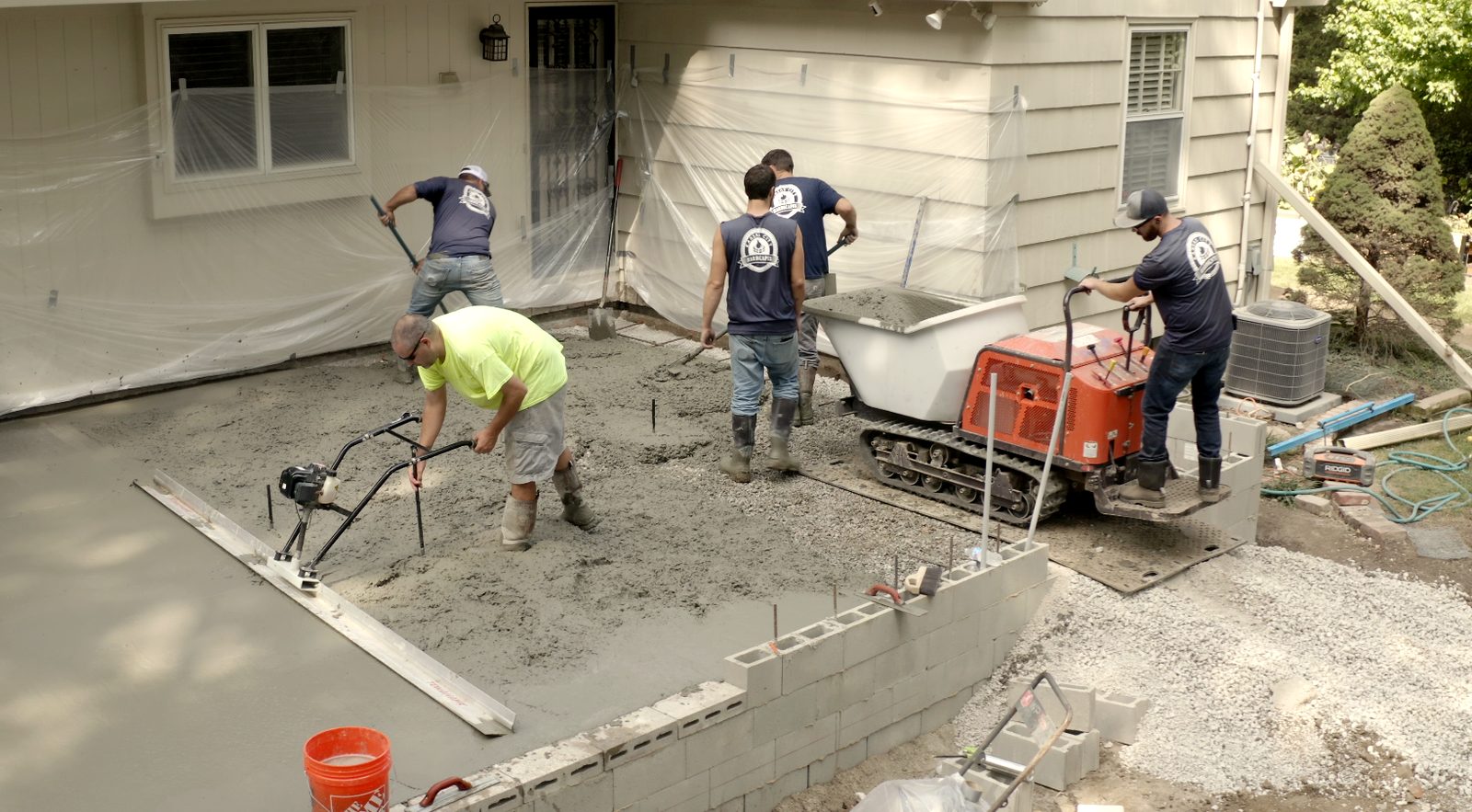
This is the single biggest reason a patio fails inside its first five years, and it's the part you'll never see again after the install is done.
Some contractors lay pavers straight onto bare dirt. Others lay a thin scrim of gravel and call it a base. The good ones compact a real aggregate base. Our method goes further: we pour a concrete slab on top of a compacted aggregate base, and then set the patio on the slab. It costs more in materials and a day or two of labor. It also means the patio behaves like a patio for thirty years instead of a patio for five.
We aren't telling you that's the only right answer. We are telling you to ask. Get the contractor to describe, out loud, what's happening from the dirt up. If the answer is vague or hand-wavy, you've learned something important about what your money is buying.
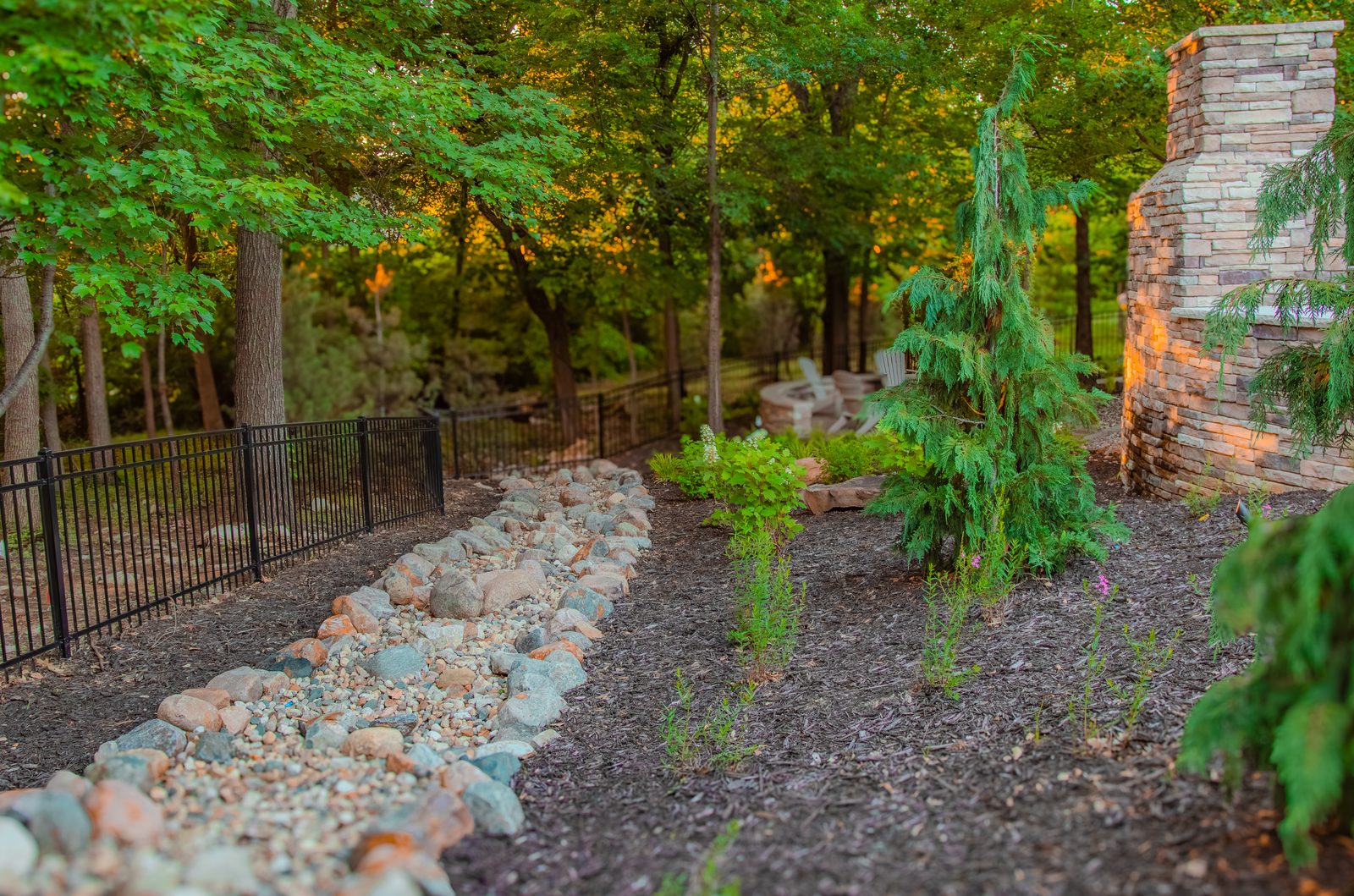
Every patio has to slope away from the house. That's table stakes. The real question is what happens to the water after it leaves the patio.
If the answer is "it runs into the yard" and the yard already gets soft after a hard rain, you have a new problem dressed up as a feature. If the answer is "we tie it into the gutter downspouts" or "we cut in a French drain" or "we trench out to the side yard," that's a real plan. If the contractor doesn't bring up drainage at all, raise it yourself and watch how fast they have an answer.
Kansas City rain comes in bursts. A patio without a drainage story is a patio that's quietly creating a basement problem, a foundation problem, or both.

Edge restraint is the strip of material that holds the outer pavers in place. Without it, the perimeter pavers spread, the joints open, weeds move in, and within a few seasons the whole field looks tired.
It's also one of the most common line items quietly skipped on a low quote. It isn't glamorous, it isn't visible from the patio surface, and it adds material and labor without adding anything photo-worthy. Skipping it saves the contractor a few hundred dollars and costs you the patio.
Ask if it's included. If the contractor doesn't know what you mean, that's an answer too.
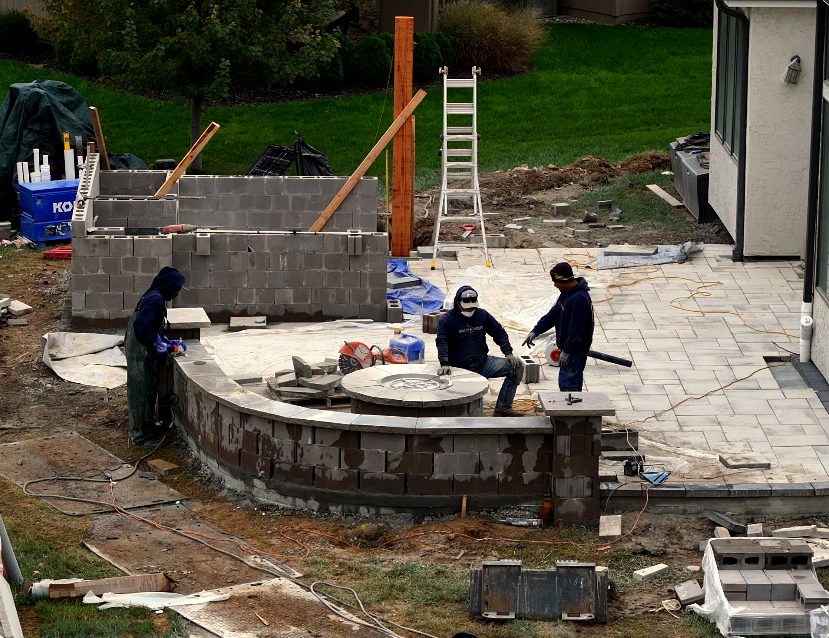
The person who sells you the patio is often not the person who builds it. That isn't automatically a problem. Plenty of good contractors run multiple crews and rotate sub-trades through bigger jobs. The problem is when nobody tells you.
Ask whether the crew is in-house or subcontracted. Ask how many projects the company has running at the same time. Ask who the lead on site will be, and whether that person is going to be there every day or popping in between three other jobs.
You're letting a small group of people occupy your yard for an extended period of time. You should know them by name before they show up.

A low quote and a high quote can be quoting genuinely different scopes. Five things show up later as change orders if they aren't in writing now:
- Permit fees, if the project needs one
- Dumpster and haul-off
- Sod or grass restoration in the staging area
- Drainage tie-ins to gutters or yard drains
- Restoration of any landscape beds the crew has to work through
A real quote either includes these or names them out and tells you what they'll cost if they come up. A vague quote includes none of them and surprises you with all of them in week three.
Thirty minutes on site with our designer is all it takes to see what is possible. No pressure, no hard sell.
Schedule a Design Call